
What Is Ridge Augmentation?
Ridge augmentation is a surgical bone grafting procedure that restores the natural shape and volume of your jaw ridge — the curved bone that once held your teeth. When a tooth is lost, the surrounding bone begins to resorb (shrink) over time. If too much bone is lost, the ridge becomes too thin or irregular to support a dental implant. Alveolar ridge augmentation addresses this by adding bone graft material to rebuild the ridge’s width and height, creating a stable foundation for future implant placement.
Why Your Jaw Ridge May Need Rebuilding
Several common situations lead to ridge deterioration:
- Tooth loss — Bone resorption begins within weeks of losing a tooth.
- Trauma — An injury can fracture the ridge and cause bone loss.
- Infection — Advanced gum disease or abscess can destroy supporting bone.
- Long-term denture wear — Pressure from a removable denture can accelerate bone loss over many years.
If you have lost one or more teeth and are considering implants, a ridge augmentation may be necessary to ensure the implant has enough bone to integrate properly.
Benefits of Ridge Augmentation for Implant Patients
Adding bone to your jaw ridge does more than make implant placement possible. It improves the long-term success of your restoration and simplifies your treatment journey.
A Stronger Foundation for Long-Lasting Implants
Implants rely on osseointegration — the direct fusion of the implant post with living bone. A ridge that is too thin or concave places the implant at risk for failure. By rebuilding the ridge to its full dimension, ridge augmentation gives the implant the dense, healthy bone it needs to last for decades. This also improves the aesthetic outcome, because a properly contoured ridge supports the gum tissue and the visible crown above it.
Everything Done In-House — No Referrals, No Runaround
Many general dental practices refer ridge augmentation to a periodontist or oral surgeon. At Southern Charm Dentistry, Dr. Kaycee Obi-Gwacham performs the entire implant process in one office. From your initial consultation and 3D CT imaging to computer-guided implant placement, every step happens here. That means fewer appointments, a single treatment plan, and a team that already knows your smile.
What to Expect: Your Ridge Augmentation Journey at Southern Charm
We believe clear communication is the key to a comfortable experience. Here is how we approach ridge augmentation from start to finish.
Consultation and 3D Imaging
Your first visit begins with a conversation about your goals, health history, and any anxiety you may have about surgery. Dr. Obi-Gwacham then takes a cone beam CT scan — a three-dimensional image that shows your jawbone in precise detail. This scan lets us measure the exact amount of bone that is missing and plan the augmentation to the millimeter.
The Augmentation Procedure
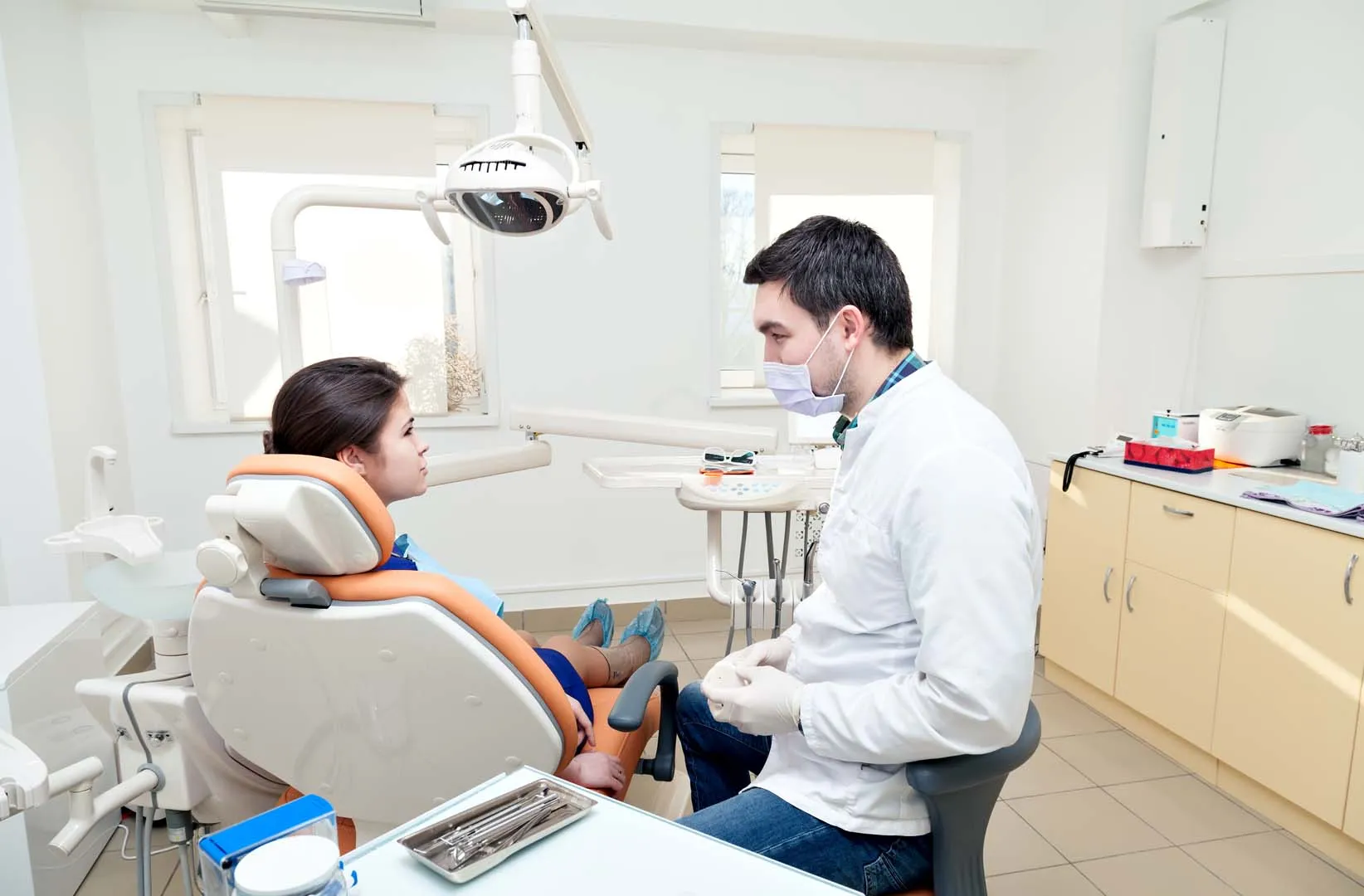
On the day of the procedure, you will be comfortably seated in our treatment room. We offer several sedation options, including nitrous oxide and IV sedation, so you can relax throughout the surgery. Dr. Obi-Gwacham makes a small incision in your gum, places the bone graft material (either synthetic or donated human bone) along the ridge, and may secure it with a protective membrane or tiny pins. The gum is then sutured closed.
Recovery and Healing Timeline
Most patients experience mild swelling and tenderness for a few days. You will follow a soft-food diet and avoid putting pressure on the surgical site. Over the next four to six months, the grafted bone fuses with your natural bone. We will schedule follow-up scans to confirm the ridge is healed and ready for implant placement. Once the ridge is strong enough, you can proceed with your dental implant — either a single tooth implant or a multi-tooth solution like All-on-4 implants.
Ridge Augmentation vs. Standard Bone Grafting — Which Do You Need?
Both procedures rebuild bone, but they address different shapes of bone loss. The table below compares the two so you can understand the distinction.
| Feature | Ridge Augmentation | Bone Grafting |
|---|---|---|
| Primary goal | Rebuild the width and/or height of the jaw ridge | Add bone volume to a specific socket or defect |
| Anatomy addressed | Alveolar ridge (the curved bone that held teeth) | Extraction site, cyst cavity, or isolated void |
| Typical timing before implant | 4–6 months healing | 3–6 months depending on size |
| Complexity level | Moderate to complex (requires contouring) | Varies from simple socket graft to larger block graft |
| Performed in-house at Southern Charm | Yes | Yes |
If your bone loss is limited to the shape of the ridge itself, ridge augmentation is likely the right choice. If you are missing bone in a single socket after an extraction, standard bone grafting may be sufficient. Dr. Obi-Gwacham will recommend the specific approach based on your 3D CT imaging.
What Happens If You Skip Ridge Augmentation?
Some patients consider placing an implant into a deficient ridge to avoid an extra procedure. This shortcut carries real risks.
Implant Failure Risks From an Unsupported Ridge
An implant placed into bone that is too thin or irregular cannot osseointegrate properly. The implant may feel loose, cause chronic pain, or fail entirely within the first year. Removing a failed implant is more complex than doing the ridge augmentation upfront, and the additional bone loss from the failed integration can make future treatment even harder. The upfront investment in ridge augmentation protects your long-term oral health and avoids the cost and frustration of a second surgery.
Have Questions About Coverage?
Our team is happy to verify your insurance benefits prior to your appointment.